Upon being offered a summer internship at the Shaker Historical Society and Museum (SHS), I immediately recognized it as an excellent opportunity to apply and enhance the skills I’ve acquired by working on the preservation of the Museum’s photo archives. Throughout my internship in the Elizabeth Nord Library and Archives at the SHS, a significant portion of my responsibilities involved data entry, the establishment of a subject-based archive, managing photographic materials, and developing an easily accessible finding aid.
However, my experience exceeded these duties, allowing me to engage in open conversations and conduct comprehensive research on topics concerning transparency, inclusivity, and the potential to establish links between the past, present, and future. My summer internship provided a platform for honing problem-solving skills applicable to the domains of education, public history, and my career goals beyond traditional academic settings. My goal is to use these principles to make a positive impact within the community while continually learning and growing myself.
Promoting respectful, engaging, and transparent understandings in an archival setting can be disconcerting in the contemporary day. Creating meaningful descriptions for historical records and accounts can be difficult for many academicians, professionals, and community members. While there is much scholarship to aid archivists on their journey for respectful documentation, it is essential to build a committed team to ensure that a transparent and inclusive description is achieved. Within my research, I examined multiple sources that guide compliant archival practices and record-keeping policies based on styles of language, voice, community collaboration, historical memory and narratives, classification, and transparency, fortifying new eras of reconciliation.
The techniques I learned and developed when dealing with sensitive racial or cultural concerns translated to issues of photographs containing portrayals of violence, hazing, and other depictions that may be disturbing to viewers. The problem-solving skills I acquired through the study of transparency and inclusivity in the SHS archives fostered a strong foundation to refer to throughout my career when dealing with problematic or outdated terms in history. While it may be easy to study and retain information, hands-on experience and a direct encounter with these issues allowed me to practice what I’ve learned outside of the classroom and apply them to aspects of my career goals for the future.
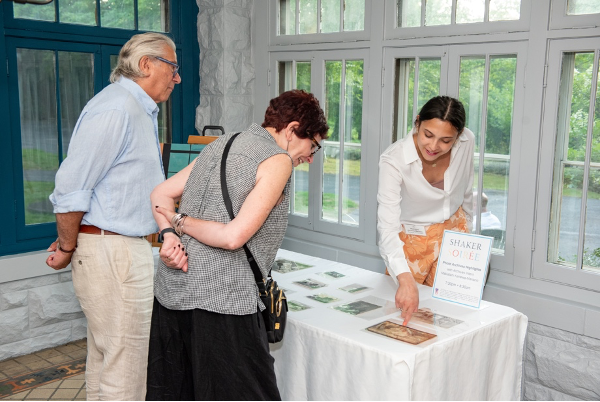
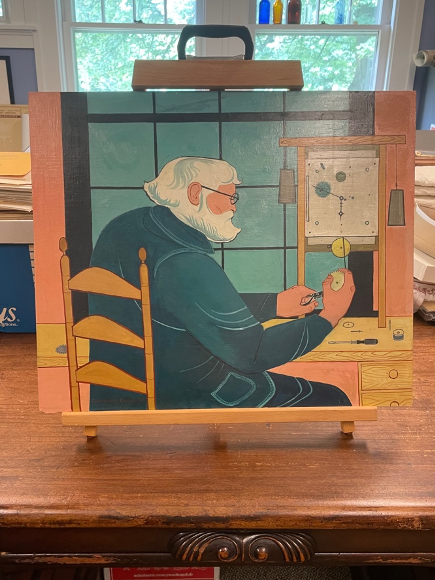
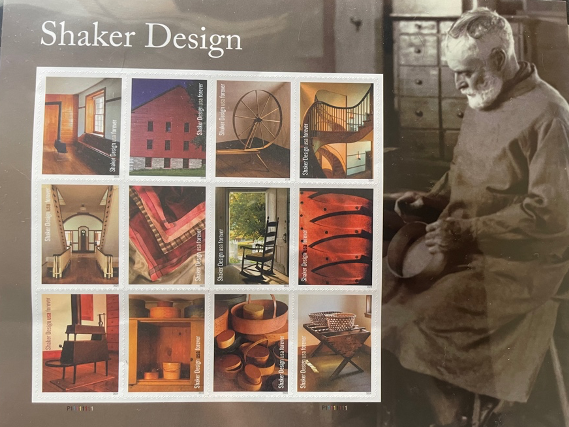
Every summer, the Shaker Historical Society hosts a benefit fundraiser called the “Annual Soirée.” Along with many fascinating subjects and photographs, I chose to focus on the North Union Shakers in my presentation at the event. Ricardo Belden was a craftsman for the Shakers and was widely recognized for his work. After coming across several photographs in the SHS archives, the Museum’s Executive Director, Brianna Treleven, noticed a painting by artist Constantine Kermes in our collections. We made the connection that the featured subject in the painting was Belden and later found what we believe to be the reference photo for the work. During a conversation at home, I shared my findings with my friends and family and soon discovered that the United States Postal Services was featuring the Shaker community in a new forever stamp collection celebrating the 250th anniversary of the first arrival of Shakers in the United States. A few of the stamps were of photographs that I had encountered in the archives. This experience was monumental in creating community-based connections relating to public history and the importance of archival management.
The final focus of my soirée presentation was the Warrensville West Cemetery and the findings of photographs picturing various grave markers and tombstones. One particular file I came across while working in the photo archives featured several photographs and film negatives of tombstones that were hard to identify. Director Treleven has experience hosting events and community-based activities that involve working in the cemetery and was confident about the locations of several of the photographed grave markers. However, it was still difficult to determine their identities. The next day, we decided to meet at the cemetery to locate the tombstones. When we arrived, we encountered TaMara Conde, a historic gravestone services and restoration professional. I had the chance to meet her and show her some photographs from our archives. After we located the tombstones within the pictures, we could identify the names and dates of death that were illegible on the graves. This experience allowed me to use photographic materials within the archives to confidently locate and identify historical markers and tombstones within the community.
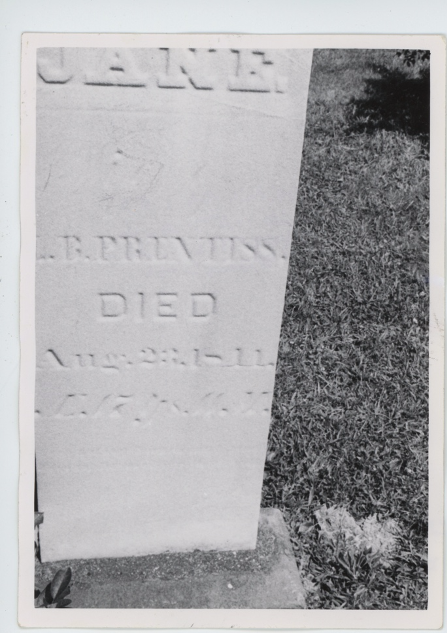
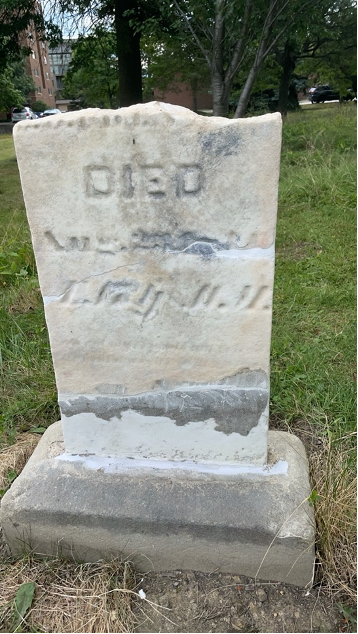
Creating connections between the past and present through public history and education was a massive part of the internship at the SHS Museum. However, it also encouraged me to create and maintain working relationships that will help me in my future career choices and occupations. While interning at the SHS, I also had the chance to work for the Cleveland Regional Oral History Collection with the CPHDH at Cleveland State University. This summer, I focused on interviewing Cleveland-based artists creating public-based community art. During this project, I had the opportunity to connect with, meet, and interview many artists. I connected Director Treleven with one of the artists I interviewed, leading to further working opportunities with them.
Ewuresi Archer is a Ghanaian-American artist from Cleveland who uses art in public spaces to inspire, engage, and educate her community while actively exploring and embracing her own identity. After interviewing her in July for Cleveland Voices, I explained an upcoming opportunity at the SHS for an exhibit within the Museum. Director Treleven contacted Archer and confirmed her interest in showcasing her art at the Museum. She is currently working on the exhibit planned to open in the fall. I continued to connect with Ewuresi and had the opportunity to attend her co-curated show, Traditions: Breaking Bread, at the Pivot Center. I take pride in the working relationships I make and the opportunities I have had to further my career goals and work in the community by creating connections between my summer internships.
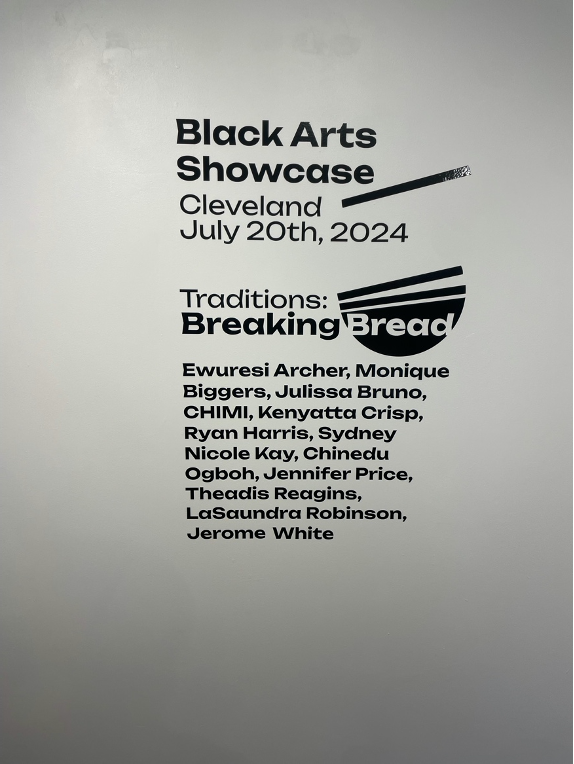
While nearing the end of my time at SHS, I have decided to continue working in the photo archives for a few months as a volunteer. I will finish creating the accessible finding aid and relocating the photographs and photographic materials into their correct and more suitable locations determined by Director Treleven and I. The experience I gained at the SHS has encouraged me to maintain historical records and archives, practice and develop skills in promoting transparency and inclusivity in public history, and focus on creating connections with other professionals in an educational setting outside of the classroom. This internship, along with my other summer projects with the CPHDH and Cleveland Teaching Collaborative, was an excellent way to practice my skills in the earlier portion of my MA candidacy. I am grateful for this experience and cannot wait to learn more.
